

Identify high- priority issue

Conceptual Background and Case Studies – Introduction to EVIPNet Europe
EVIPNet is a knowledge translation network established by WHO. EVIPNet envisions a world in which policy-makers and other stakeholders in low- and middle-income countries use the best available resear...
Facilitator's guide: using research in the EVIPNet framework
This Guide provides complete instructions and materials needed to conduct a workshop in which participants are guided towards (i) acquiring, assessing, adapting and applying evidence that is relevan...
Lessons from the Health Evidence Network (HEN): Lessons learned about delivering an evidence synthesis service for policy-makers
HEN is an information service for public health decision-makers in the WHO European Region, in action since 2003 and initiated and coordinated by the WHO Regional Office for Europe. HEN supports publi...
Options for best practice clinical guideline development in Ukraine: policy brief
This policy brief summarizes the results of this study and describes best practice structures, processes and methods for guideline development in Ukraine. Key messages include the requirement for inve...
Sound Choices: Enhancing capacity for evidence-informed health policy
This Guide addresses a mismatch between what is known about how to respond to particular health problems in poor economies and what is actually done about them. It focuses on one cause of the problems...
SUPPORT Tools for evidence-informed health Policymaking (STP) 2: Improving how your organisation supports the use of research evidence to inform policymaking
This article is part of a series written for people responsible for making decisions about health policies and programmes and for those who support these decision makers.In this article, ways of organ...
Systems Thinking for Health Systems Strengthening
In the previous decades, little was understood about what works in health systems strengthening and how researchers and policymakers can apply it. So, although there was general agreement for the need...
Institutionalizing health technology assessment mechanisms: a how to guide
As countries face financing constraints in achieving their universal health coverage goals, they must ensure that available resources are spent more efficiently. The institutionalization of healt...
Tools for making good data visualizations: the art of charting
Data visualization is a collection of methods that use visual representations to explore, make sense of and communicate quantitative data. It allows trends and patterns in quantitative data to be seen...
Evidence briefs for policy. Using the integrated knowledge translation approach. Guiding manual
Evidence Briefs for Policy (EBPs) are a relatively new, innovative approach to packaging research evidence for policy-makers; however, they are already the most widely used tool. EBPs are prepared by...
Country cooperation strategy guide 2020: implementing the Thirteenth General Programme of Work for driving impact in every country
The Country Cooperation Strategy (CCS) is WHO’s strategic framework to guide the Organization’s work in and with a country. It responds to that country’s National Health and Development Agenda and ide...
EVIPNet Europe: Situation Analysis Manual
The World Health Organization (WHO)’s Evidence-informed Policy Network (EVIPNet) has supported Member States in designing, implementing and institutionalizing efforts to support evidence-informed poli...

A Guide for Evidence-Informed Decision-Making, Including in Health Emergencies
This guide aims to bring together the most recent thinking in the EIDM field and to present this in a format that is accessible to a wide audience of EIDM practitioners. It builds on, and contextuali...
SUPPORT Tools for evidence-informed Policymaking in health (STP) 11: Finding and using evidence about local conditions
This article is part of a series written for people responsible for making decisions about health policies and programmes and for those who support these decision makers.Evidence about local condition...
SPECTRUM Generalized Cost-Effectiveness Analysis
SPECTRUM Generalized Cost-Effectiveness Analysis (GCEA) is a tool developed to facilitate country-level cost-effectiveness analysis of a wide range of health interventions. The tool is populated with...
Climate change and health: a tool to estimate health and adaptation costs
Adaptation is one of the approaches to prevent or reduce some of the effects caused by climate change, including health effects. To support ministries planning for climate change adaptation measures,...
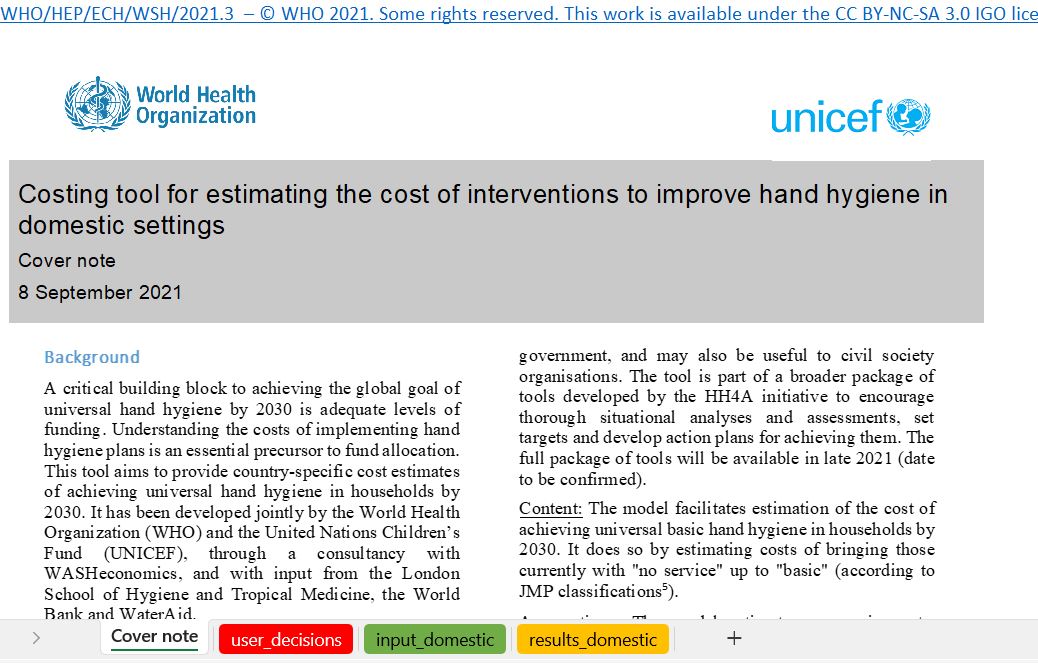
Costing tool for estimating the cost of interventions to improve hand hygiene in domestic settings
A critical building block to achieving the global goal of universal hand hygiene by 2030 is adequate levels of funding. Understanding the costs of implementing hand hygiene plans is an essential precu...
Step-by-step guide to conducting a cross-programmatic efficiency analysis
The World Health Organization (WHO) has developed a diagnostic approach to enable countries to look across health programmes that are part of their health system to detect “cross-programmatic” ineffic...
E4As guide for advancing health and sustainable development: resources and tools for policy development and implementation
Achieving the Sustainable Development Goals (SDGs) requires working in transformative ways. This guide is a compilation of tools and resources for advancing health and sustainable development in cou...
Support tool to strengthen health information systems: guidance for health information system assessment and strategy development
This tool is an update of the 2015 Support tool to assess health information systems and develop and strengthen health information strategies. Both the global General Programme of Work and the Europea...
Assessing financing, education, management and policy context for strategic planning of human resources for health
This document contains a method for assessing the financial, educational and management systems and policy context, essential for strategic planning and policy development for human resources for heal...
Developing national action plans on transport, health and environment: a step-by-step manual for policy-makers and planners
A national transport, health and environment action plan (NTHEAP) is a key tool and mechanism for developing sustainable and healthy transport in a country. NTHEAPs provide a comprehensive and inter...
Supporting the routine use of evidence during the policy-making process: a WHO checklist
This WHO checklist is for any organization or person supporting the routine use of evidence in the process of policy-making. This checklist was developed by the WHO Secretariat of Evidence-Infor...
Implementing Health in All Policies: a pilot toolkit
To support countries implementing HiAP approaches, this WHO document – Implementing Health in All Policies: A pilot toolkit - has been prepared to support HiAP practice across regions, and inform the...
SURE Guides for Preparing and Using Evidence-Based Policy Briefs 2. Prioritising topics for policy briefs
SURE Guide 2 is part of the SURE Guides for Preparing and Using Evidence-Based Policy Briefs. The SURE Guides are intended for those people responsible for preparing and supporting the use of policy b...
Evidence synthesis for health policy and systems: a methods guide
This methods Guide explores various ways to address the challenges of synthesizing evidence from HPSR including methods and tools to conduct and promote the uptake of evidence synthesis for health pol...
Strengthening national evidence-informed guideline programs. A tool for adapting and implementing guidelines in the Americas
The purpose of this document is to present policy-oriented and methodological strategies for developing and/or strengthening national guideline programs, focusing on the adaptation of evidence-informe...
SUPPORT Tools for evidence-informed health Policymaking (STP) 3: Setting priorities for supporting evidence-informed policymaking
This article is part of a series written for people responsible for making decisions about health policies and programmes and for those who support these decision makers.Policymakers have limited reso...
A system-wide approach to analysing efficiency across health programmes
Health programmes are able to target health interventions for specific diseases or populations, and historically, countries have relied heavily on them to deliver priority services. In low- and middle...
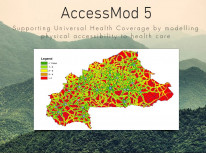
AccessMod
AccessMod (version 5) is a free and open-source standalone software to model geographic accessibility to health services. The tool uses information on population location, health facility location, ge...
Analytical guide to assess a mixed provider payment system
In nearly all countries, several payment methods co-exist and constitute a mixed provider payment system (MPPS). Providers are paid by several payment methods and are faced with several incentives tha...

COVID-19 Vaccine Introduction and deployment Costing tool (CVIC tool)
The CVIC tool supports credible COVID-19 vaccination costing to facilitate a dialogue with stakeholders, while maintaining sensitivity to protect essential health services.The CVIC tool provides a str...
Governance for strategic purchasing: An analytical framework to guide a country assessment
This document sets out an analytical framework for assessing a country’s governance arrangements for the purchasing function. The purpose of such an assessment is to assist policy-makers and policy ad...
Country assessment guide: the health financing progress matrix
The Health Financing Progress Matrix (HFPM) is a standardized approach to assessing a country’s health financing system. Primarily qualitative in nature, the HFPM considers health financing institutio...
Health Technology Assessment Toolbox for Emerging Settings: Best Practices and Recommendations
This toolbox is focused on the use of health technology assessment (HTA) in emerging settings. Its primary audience is&nbs...
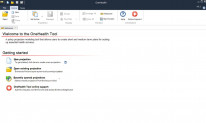
OneHealth Tool
The OneHealth Tool is a software tool designed to inform national and subnational strategic health planning in low- and middle-income countries.While many costing tools take a narrow disease-specific...
Rapid reviews to strengthen health policy and systems: a practical guide
Policy-makers require valid evidence to support time-sensitive decisions regarding the coverage, quality, efficiency, and equity of health systems. Systematic reviews and other types of evidence synth...
SCORE for Health Data Technical Package
The SCORE for Health Data Technical Package has been developed by WHO and partners to assist Member States in strengthening country data systems and capacities to monitor and track progress towards th...
SUPPORT Tools for evidence-informed health Policymaking (STP) 16: Using research evidence in balancing the pros and cons of policies
This article is part of a series written for people responsible for making decisions about health policies and programmes and for those who support these decision makers.In this article, the use of ev...
Estonian Handbook for Guidelines Development
Clinical practice guidelines are generally accepted as an important tool for improving the quality of clinical care provided by health professionals, as well providing guidance to ensure the quality u...
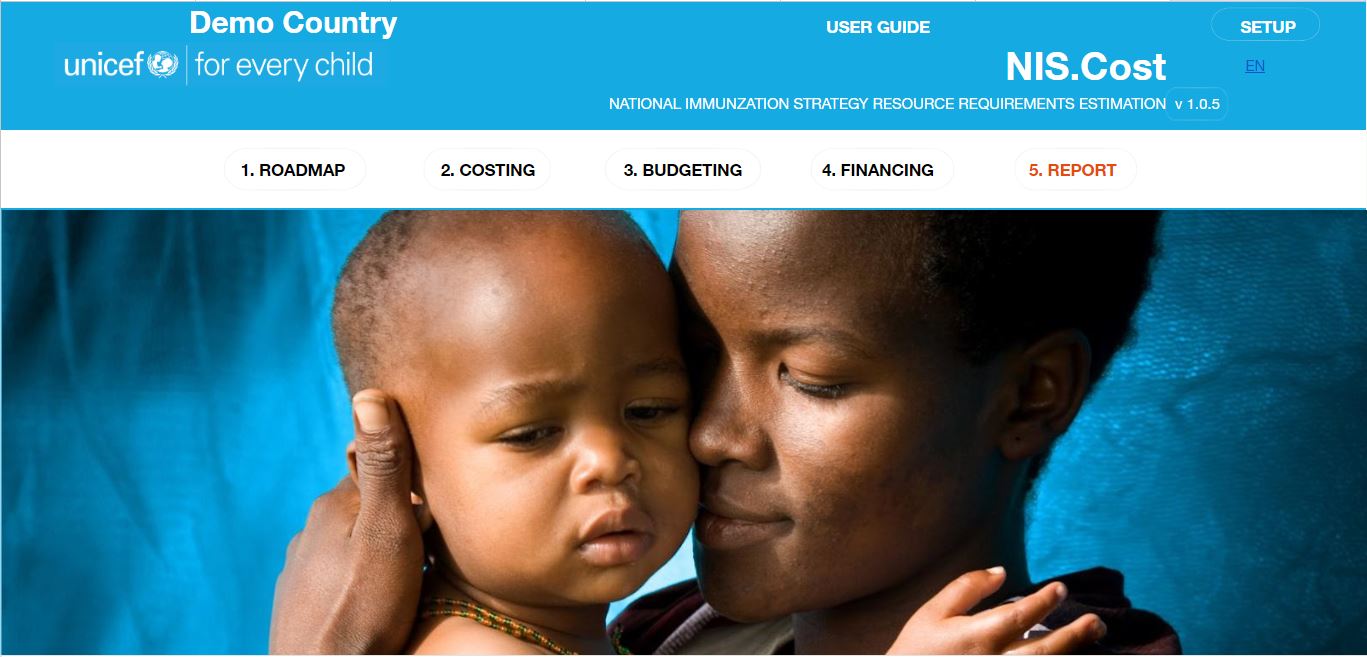
National Immunization Strategy costing application (NIS.COST)
During the past two decades, the comprehensive multi-year planning (cMYP) process has been the cornerstone of strategic planning for immunization as part of the Global Vaccine Action Plan (2011-2020)....
SURE Guides for Preparing and Using Evidence-Based Policy Briefs 3. Clarifying the problem
SURE Guide 3 is part of the SURE Guides for Preparing and Using Evidence-Based Policy Briefs. The SURE Guides are intended for those people responsible for preparing and supporting the use of policy b...
GRADE Handbook
The GRADE handbook describes the process of rating the quality of the best available evidence and developing health care recommendations following the approach proposed by the Grading of Recommendatio...
TDR Implementation Research Toolkit
This toolkit provides deeper learning on implementation research, helping people learn a standard process that can lead to results that can be compared across regions and countries. It is designed to...
SUPPORT Tools for evidence-informed health Policymaking (STP) 4: Using research evidence to clarify a problem
This article is part of a series written for people responsible for making decisions about health policies and programmes and for those who support these decision makers.Policymakers and those support...
WHO handbook for guideline development
A WHO guideline is any document developed by the World Health Organization containing recommendations for clinical practice or public health policy. A recommendation tells the intended end-user of the...
A resource for developing an evidence synthesis report for policy-making
HEN – the Health Evidence Network – is an information service for public health decision-makers in the WHO European Region, in action since 2003 and initiated and coordinated by the WHO Regional Offic...
Guide to qualitative evidence synthesis: evidence-informed policy-making using research in the EVIPNET framework
This guide aims to support country efforts to generate evidence, including qualitative evidence. It summarizes what a qualitative evidence synthesis is, and how it can contribute to the evidence-infor...